



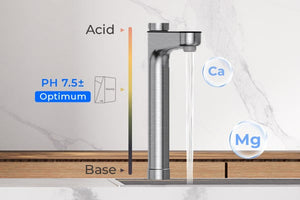



What is Spring Water?
by
Dr. Jonathan Doyle - Updated December 08, 2025


Spring water is a natural resource that many people turn to for clean and refreshing drinking water. If you're curious about where spring water comes from and how it compares to other types of water, you're in the right place. This guide will explain everything you need to know about spring water, its benefits, and how it stacks up against other water options like tap water and filtered water.
What is Spring Water?
Spring water is sourced from natural underground springs, often from deep within the Earth. The water flows to the surface through pressure, creating what we call a "spring." This water is typically formed when rainwater or melted snow travels through layers of rocks and soil, naturally filtering out impurities before reaching the spring.
Unlike tap water, which is often treated with chemicals in municipal plants, spring water is naturally filtered by the Earth’s soil and rocks. As a result, it may contain beneficial minerals that contribute to its distinct taste and nutritional value.
Spring Water vs. Other Types of Water
To better understand what makes spring water unique, let’s compare it to other types of drinking water:
Tap Water
- Source: Local rivers, lakes, or reservoirs.
- Treatment: Chemically treated at municipal water plants (e.g., chlorine, fluoride).
- Characteristics: Safe to drink but may have chemical tastes due to treatment. Also, PFAS , the so-called forever chemical, is a rising concern.

Filtered Water
- Source: Typically tap water that has been filtered using systems like activated carbon or reverse osmosis .
- Treatment: Removes contaminants like chlorine, lead, and other impurities.
- Characteristics: Tastes better than tap water and is free from many contaminants, though it may lack the natural minerals found in spring water.
Distilled Water
- Source: Tap water or other water sources.
- Treatment: Water is boiled and condensed to remove impurities, leaving pure water without minerals.
- Characteristics: Pure water, but may taste flat due to the lack of minerals.
Mineral Water
- Source: Springs with high natural mineral content.
- Treatment: Minimal to no treatment, preserving the natural minerals.
- Characteristics: High in minerals such as calcium, magnesium, and potassium, which can have health benefits.

Is Spring Water Good for You?
Spring water offers several health benefits, making it a great choice for hydration. Here’s why it might be a good option for you:
1. Natural Mineral Content
Spring water contains minerals like calcium, magnesium, and potassium that are essential for bodily functions such as hydration and muscle function. These minerals can enhance your overall health, especially if you're not getting enough through your diet.
2. No Chemicals or Additives
Unlike tap water, which often contains chemicals such as chlorine and fluoride, spring water is free from added chemicals. This makes it an appealing choice for those who are concerned about the potential effects of these chemicals on their health.
Click here if you want to learn more about Which water type is the purest?
3. Improved Taste
Many people prefer the taste of spring water because of its natural mineral content, which can make the water taste crisper and fresher compared to tap water.
4. Fewer Contaminants
Because spring water is naturally filtered by soil, it may contain fewer contaminants compared to untreated tap water or even well water. However, it's still important to ensure that the water is free from harmful bacteria or chemicals, especially if it’s sourced from a wild spring.

Spring Water and the Environment
While spring water can be an excellent choice for hydration, its environmental impact is something to consider. Bottled spring water often comes from remote locations, and the process of bottling, packaging, and shipping can lead to carbon emissions and plastic waste.
However, some people prefer to source spring water directly from natural springs or use home filtration systems to enjoy the benefits of spring water without the environmental impact of plastic bottles.
Spring Water and Your Health
Spring water can offer various health benefits thanks to its natural mineral content. Here’s how it can support your well-being:
1. Aids Bone Strength
Calcium, a key mineral in spring water, is essential for strong bones and teeth. For those who need extra calcium, spring water can be a good supplementary source.
2. Enhances Hydration
Spring water has a naturally fresh taste, making it more enjoyable to drink and helping you stay hydrated throughout the day. Hydration is crucial for energy, digestion, and skin health.
3. Supports Digestion
Magnesium, another mineral found in spring water, plays an important role in muscle and nerve function, and can also aid digestion. Drinking spring water can contribute to a healthy digestive system.
Conclusion: Is Spring Water Right for You?
Spring water is one of nature’s healthiest drinking options. It’s naturally filtered, contains beneficial minerals, and doesn’t have added chemicals, making it an appealing choice for many people. However, it’s important to ensure that the water is safe for consumption, whether it’s sourced from a bottle or directly from a spring.
For Canadians who want the purity of drinking water with additional assurance of safety, Waterdrop Reverse Osmosis Systems can be an excellent solution. These filtration systems ensure that your water is free from contaminants while retaining the beneficial minerals found in spring water, providing you with clean, safe, and refreshing hydration every day.
If you’re looking for pure water, filtered with care, and packed with natural minerals, spring water could be the ideal choice for you.

Choose Your Water Solutions
- Countertop RO Systems No Installation, Easy Everyday Use
- Undersink RO Systems High Flow, More Space Under the Sink
- Water Filter for Sink Stay Hydrated Always
- RO System Replacement Filters Change Your Filters Regularly
Categories
- Buyer's Guide Complete buying guides to help you choose wisely
- Water Contaminants Offer the best solution to solve the water problems
- Water Stewardship Responsibility for sustainable water management
- Home and Wellness A better and healthier world for individuals and families
- Explore Waterdrop Discover water filtration solutions for every home.


