




Does Boiling Water Remove Chlorine?
by
Dr. Jonathan Doyle - Updated December 05, 2025


Chlorine is widely used in water treatment systems all over Canada to disinfect and eliminate harmful bacteria. Though chlorine works well to keep the purification of water free from harmful bacteria, there are people who opt to remove chlorine for various reasons such as taste and medical reasons. One of the ways people often consider to eliminate chlorine includes boiling water.
But the question remains: is boiling water really a way of getting rid of chlorine in your tap water if you live in Canada? The answer to that query, and ways of killing chlorine in drinking water, shall be explained below.
Why is Chlorine Used in Canadian Tap Water?
Chlorine is also widely used in water treatment works throughout Canada. Its use acts as a disinfectant. It eliminates bacteria, viruses, and other harmful microbes , which makes water safe to drink after it is cleared from the water works. It is one of the key methods used to ensure that the community remains healthy.
Nevertheless, the aftertaste and smell of water treated using chlorine sometimes tend to be unpleasant, and that explains why people often opt to get rid of the chlorine before drinking water. Moreover, the effects of drinking water containing chlorine have also raised issues of concern.

How Well Boiling Water Purify Water?
Although boiling water works well to eliminate bacteria and other microorganisms, it doesn't work well to remove chlorine. Here's why:
Chlorine Evaporation
The kind of chlorine found in drinking water is usually chlorine gas or a mixture of chlorine and ammonia, also known as chloramine. Boiling water tends to remove a portion of the chlorine gas because of the low boiling point of chlorine (about 100°C or 212°F).
Nevertheless, a considerable period of time will be required for the evaporation of the chlorine present in the boiling water. The fact is that a small amount of chlorine will be removed even if the water is boiled for several minutes. Moreover, a disinfectant called chloramine, used in water treatment, cannot be removed through evaporation and thus additional methods are required for the removal of such a component.
Related article: Which water is best to drink in Canada?
Chlorine Residue
Even if evaporation also removes a considerable portion of chlorine, boiling water doesn't remove the chlorine completely. The water's level of chlorine will be reduced slightly after boiling, but the water won't be completely free of chlorine. Boiling the water for a longer period of time (about 20 minutes and longer) would result in reducing the chlorine level, but even then, the water won't be completely free of chlorine.

What Are Better Methods for Removing Chlorine from Water?
If you are interested in having a more effective way of getting the chlorine out of your Canadian tap water, there are other alternatives to boiling the water. These methods include the following:
1. Activated Carbon Filters
Removing chlorine from water can be achieved through the use of filters that contain activated carbon. The filters are able to remove chlorine and other chemicals through the process of adsorption. This makes the water more palatable and free from any odor. Many water filter pitchers and faucet filters contain activated carbon filters.
- Effectiveness: The activated carbon filter is capable of filtering up to 99% of the chlorine present in tapped water.
- Best Use: These filters are ideal for use to improve the taste and quality of water that you use for drinking and other culinary functions.
2. Reverse Osmosis
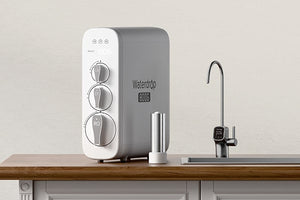
The water purification systems that use reverse osmosis have a semi-permeable membrane that filters chlorine, heavy metals, fluoride, and various other impurities from the water. This process of water purification is very effective and works well for the removal of chlorine from water. Waterdrop reverse osmosis water purification systems, for instance, remove over 90 percent of chlorine.
- Effectiveness: The RO systems are effective because they are capable of filtering a large number of impurities such as chlorine.
- Best Use: Reverse osmosis is best used when a complete purification of water for drinking, cooking, and even bathing is required.

3. Boiling and Letting It Sit
Boiling the water won't remove the chlorine completely, but you could let the water sit after boiling so that the remaining chlorine evaporates. The longer you allow the water to sit, the more chlorine will be removed. This is not the most effective way to remove chlorine, however.
- Effectiveness: Decreases the level of chlorine slightly but doesn't yield a complete removal of chlorine.
- Best Use: This is a short-term remedy if a water filter is not available, but it's not the best way to get water that's free of chlorine.
4. Distillation
Distillation is a water purification technique that involves boiling the water to produce steam that is then converted back into liquid water through condensation, thereby leaving impurities such as chlorine behind. Distillation works well to remove chlorine and other impurities such as minerals, heavy metals, and bacteria.
- Effectiveness: Distillation is very effective for the removal of chlorine and other dissolved substances.
- Best Uses: Distillation is the best choice if you are looking to obtain very clean water. Distillation is relatively more energy-demanding and time-consuming than other systems.
Click here to learn more about Black Friday Deals 2025: The Best Discounts.
The Importance of Installing a Water Filter in Canada
If Canadians are searching for a convenient and efficient way to filter the chlorine from drinking water, a water filter would be the best solution for them. An activated carbon filter and a reverse osmosis system are very effective water filters that remove chlorine and improve the taste of the water.
Regardless of whether you are a fan of the filter pitcher, the faucet filter, or the under-sink model, a water filter remains the best way to ensure that the water you are drinking is chlorine and impurity free.
Takeaway
Though boiling water might remove a small degree of chlorine because of evaporation, it is not a very effective way of ensuring the removal of chlorine from drinking water. The best way of ensuring the removal of chlorine from water is through filtration, reverse osmosis, and distillation.
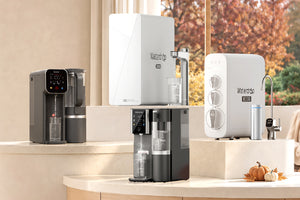
If you are interested in having a clean and chlorine-free water that also tastes and is good for consumption, you could consider a Waterdrop reverse osmosis system. These filters will ensure that the water you consume is completely free from any impurities and is good and healthy for you and your family.

Choose Your Water Solutions
- Countertop RO Systems No Installation, Easy Everyday Use
- Undersink RO Systems High Flow, More Space Under the Sink
- Water Filter for Sink Stay Hydrated Always
- RO System Replacement Filters Change Your Filters Regularly
Categories
- Buyer's Guide Complete buying guides to help you choose wisely
- Water Contaminants Offer the best solution to solve the water problems
- Water Stewardship Responsibility for sustainable water management
- Home and Wellness A better and healthier world for individuals and families
- Explore Waterdrop Discover water filtration solutions for every home.


