




Waterdrop vs. Brita: Which is Better for Clean Water?
by
Dr. Jonathan Doyle - Updated December 26, 2025


As far as implementing an effective water filtration solution for your house, with clean and healthy drinking water being your goal, a reliable water filtration product can be a game-changer. Among various brands offering water filtration solutions, Waterdrop and Brita are some of the most sought-after ones, with several benefits associated with them. Which one will be better for clean drinking water in Canada, though? Let’s have a comparative analysis.
Reasons Why Clean Water Matters for Health
Access to clean and healthy drinking water is vital for good health. Although tap water is relatively clean and healthy in most regions of Canada, there could still be several contaminants like chlorine, lead, pesticides, and other toxins. Even a minute quantity of these materials can have severe health implications. Therefore, it becomes necessary to have an efficient water filtration system that ensures healthy drinking water.
A good water filtration system will eliminate damaging particles and make your drinking water taste and smell better. It’s a small price to pay for healthier hydration and benefits for your whole family.

A Comparison of Water Filter Brands
It’s necessary to identify some of the main distinctions between Waterdrop and Brita, which are two prominent brands operating in the market involving water filtration. Both have filtration technologies, but they have varying attributes and costs.
Filtration Technology
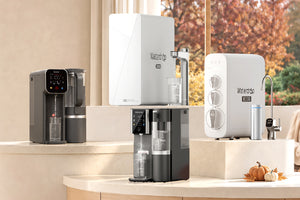
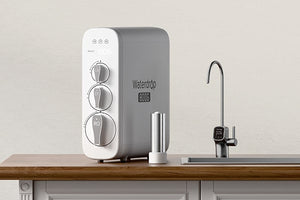
Waterdrop filters employ highly advanced reverse osmosis (RO) technology. Reverse osmosis filters have been shown to be amongst the most efficient available. Reverse osmosis filters apply a degree of pressure on water, forcing it through a membrane. As a result, it is capable of removing as much as 99% of water contaminants such as chlorine, heavy metals, bacteria, and fluoride. Waterdrop filters are perfect for either under-sink or countertop usage.
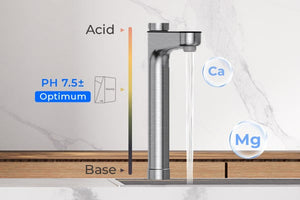
Waterdrop filters are also equipped with multi-stage filtration, where not only are contaminants removed but also minerals like calcium and magnesium, which make water healthier and better tasting.
Brita filters are made primarily from activated charcoal and ion exchange resin. These filters have been known to remove chlorine, sediments, and heavy metals like lead and copper effectively. Brita filters are meant primarily for water pitchers, faucet mounted, and bottle filters, and these are more convenient and portable.

Nevertheless, compared to reverse osmosis systems, Brita filters do not have the capacity to eliminate as many contaminants. Although they are excellent at filtering odor and taste, they are not suited for heavy-duty filtration requirements, let alone eliminating particles like bacteria.
Effectiveness at Removing Contaminants
Waterdrop filters are equipped with reverse osmosis technology, making it possible for Waterdrop filters to remove a wide range of contaminants such as heavy metals like lead, mercury, arsenic, and chlorine. Moreover, Waterdrop filters can also remove fluoride, which may be added to drinking water but poses a serious concern for health-conscious people. Moreover, Waterdrop filters are efficient at removing pesticides and bacteria, making your drinking water as clean as possible.
Click here if you want to learn more about Best Reverse Osmosis Drinking Water Systems .
Brita water filters work well at removing chlorine, which is frequently added to water as a disinfecting agent. They can also be useful for removing heavy metals such as lead and copper, making them a good option for water sources with heavy metal contaminants. Nevertheless, Brita filters do not remove fluorides, pesticides, and bacteria. Typically, they are meant for taste and odor removal and would be a good option for someone requiring clean drinking water but no more.
Filter Lifespan and Maintenance
Waterdrop filters are made with longevity in mind and thus have a replacement period ranging from 6-12 months, depending on the type. Reverse osmosis filters generally have a longer lifespan compared to traditional filters and are usually replaced based on a specific set period, with some offering guidance on replacement. You will also get notified when it’s time for a replacement, as seen with some Waterdrop filters, like the Waterdrop X Series Reverse Osmosis System .
The filters in Brita water pitchers have a shorter lifespan compared to Waterdrop’s Reverse Osmosis filters. A Brita pitcher or faucet-mounted water filter needs replacement every 2-3 months based on your usage. Although it is easy to maintain with inexpensive filters, replacement filters will be an added cost.

Water Taste and Quality
Waterdrop Reverse Osmosis filtration systems have several benefits. Waterdrop Reverse Osmosis filtration systems remove harmful contaminants and preserve healthy minerals like calcium and magnesium. As a result, Waterdrop Reverse Osmosis filtration systems result in clean and fresh-tasting water. A multi-stage filtration process removes contaminants from your water without upsetting its natural balance. It suits people who value water purity and freshness.
Brita filters are best at making your water more odor-free and taste better. Although it might not be as efficient as a reverse osmosis system at eliminating contaminants, an activated carbon filter from Brita works wonders at making your tap water more drinkable. Brita water filters are a perfect solution for anyone on a tight budget who wishes to make tap water more palatable.
Price and Value for Money
Waterdrop methods, including reverse osmosis filters, cost more at first compared to Brita filters. The advantage of Waterdrop filters is that they have better filtration ability and offer more value for money as they remove more contaminants. It is worth investing in a Waterdrop filter if you are looking for the best possible water filtration.
Waterdrop’s reverse osmosis systems cost more compared to Brita filters. Their filters offer better quality water. Though it might be an investment, Waterdrop’s filters have a better filtration performance if you are worried about your water containing contaminants such as heavy metals or chlorine.

Brita: A Brita filtered water pitcher or faucet-mounted filter costs less initially compared to a reverse osmosis water filter. A Brita water filter will need to be replaced more often, meaning that while it costs less at first, it becomes more expensive in the end due to higher operating costs.
Ease of Installation and Use
Waterdrop Reverse Osmosis system designs are slightly more involved from an installation perspective, requiring either under-sink or tabletop mounting, depending on the specific Waterdrop Reverse Osmosis models. While requiring some professional intervention may be a drawback with these systems, they can be set up with the help of easy-to-follow guidelines and an easy-to-use design.
The operation and installation process required for Brita filters are very easy. Once you fill your Brita pitcher with water, the rest will be done by the filters. Installation and operation of Brita faucet filters are also easy and will not take more than a few minutes. So, if you want an easy solution for convenient access to clean drinking water, Brita filters will be a better option for you.
Which One Is Better for You?
Whether you should choose Waterdrop or Brita depends on your needs.
Waterdrop is recommended for anyone who wants high filtration capabilities, especially with regards to heavy metals, bacteria, fluoride, and more. If you’re worried about your water quality and want an option with maximum filtration capabilities, Waterdrop with its impressive reverse osmosis filters would be your preferred option.
Brita, on the other hand, is perfect for households who would like to improve the taste and odor of water without breaking the bank. Its filters are very affordable and easy to maintain. Looking for an easy solution on how to improve your tap water taste? Brita would be an excellent solution. It will hardly cost you anything.

Choose Your Water Solutions
- Countertop RO Systems No Installation, Easy Everyday Use
- Undersink RO Systems High Flow, More Space Under the Sink
- Water Filter for Sink Stay Hydrated Always
- RO System Replacement Filters Change Your Filters Regularly
Categories
- Buyer's Guide Complete buying guides to help you choose wisely
- Water Contaminants Offer the best solution to solve the water problems
- Water Stewardship Responsibility for sustainable water management
- Home and Wellness A better and healthier world for individuals and families
- Explore Waterdrop Discover water filtration solutions for every home.


