






Why Does Water Make Me Feel Nauseous?
by
Dr. Jonathan Doyle - Updated February 25, 2026


It is a natural habit to look for a glass of water whenever you are feeling thirsty. Water helps maintain body temperature, aids the digestive system, and ensures the proper functioning of the body’s organs, all while providing zero calories and sugars.
But for some, drinking a glass of water may sometimes result in a feeling of nausea. You may be drinking a glass of water, feeling thirsty, and then suddenly you start feeling sick. Your stomach may start feeling uncomfortable, swollen, or even as if you are about to vomit. Well, you are not the only one feeling this.
There are many reasons why a glass of water may sometimes result in a feeling of nausea. Knowing the reasons behind your feeling of nausea while drinking water will surely help you to stay hydrated while feeling comfortable.
What Is Nausea?
Nausea is the feeling of vomiting. It is a feeling of discomfort in the stomach, throat, or upper abdomen. Aside from the feeling of nausea, you may also experience sweating, weakness, dizziness, or an increase in saliva production.

Nausea is the body’s natural way of telling you that something is wrong with the digestive system. There are many reasons why you may be feeling nausea. But did you know that drinking a glass of water may sometimes result in a feeling of nausea?
Water Quality and Its Impact on Nausea
Canada is a country with high-quality drinking water. But the quality of the water depends on your location.
Related article: Waterdrop's 1st Annual Water Quality Survey
Chemical Contaminants
Certain chemical contaminants, including agricultural fertilizers, pesticides, solvents, and heavy metals, may occasionally find their way into surface and groundwater sources. Though these are controlled in Canada, small amounts may still be present in drinking water, especially in wells.
Drinking water with high levels of these impurities can irritate your stomach lining, which might cause nausea, headaches, and stomach problems.
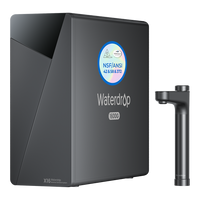
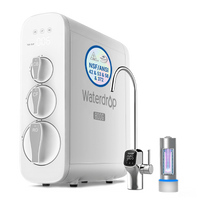
Getting a reverse osmosis (RO) water filter can filter out these impurities, making drinking water gentler on your digestive system.
Chlorine and Disinfection Byproducts
Chlorine is used in Canadian water treatment plants to kill bacteria and viruses in water. Though this keeps our drinking water safe, it also creates byproducts known as trihalomethanes (THMs) and haloacetic acids (HAAs) .
Drinking water with high levels of these byproducts can cause stomach irritation, nausea, and other gastrointestinal problems, especially in people with more sensitive digestive systems.

Parasites and Microorganisms
Water sources with insufficient treatment, especially those coming from private wells, lakes, rivers, and boil water advisories, may harbor parasites such as Giardia and Cryptosporidium, which cause gastrointestinal infections, resulting in nausea, stomach cramps, vomiting, and diarrhea.
Other Common Causes of Nausea After Drinking Water
Acid Reflux
If you have problems with acid reflux or Gastroesophageal Reflux Disease (GERD) , drinking water can sometimes cause nausea. If the lower esophageal muscle relaxes, stomach acid can go up the food pipe and cause irritation and nausea.
To reduce the symptoms of nausea, you can lie down after drinking water and also take small sips of water rather than drinking large quantities of water.
Drinking Water on an Empty Stomach
It is also possible to feel nausea when you drink water on an empty stomach. Hunger can cause a large amount of stomach acid. Drinking water in such a condition can cause nausea.
You can take a small snack before drinking water to reduce the symptoms of nausea.

Electrolyte Imbalance
Electrolytes like sodium, potassium, calcium, magnesium, and chloride play a vital role in the functioning of the nervous system and the movement of the muscles. Drinking large amounts of water can cause nausea because water can cause an electrolyte imbalance. Excessive sweating and exercise can cause dehydration. Drinking large amounts of water in such a condition can cause nausea.
You can maintain a balance of electrolytes by consuming food and drinks that contain electrolytes.
Drinking Very Cold Water
Some people may feel nausea when they drink very cold water. Drinking cold water can cause irritation in the stomach and increase the movement of the muscles in the stomach.
How Can You Prevent Nausea After Drinking Water?
Being hydrated is vital, thus it’s significant to learn how to do it comfortably.

Sip Slowly
Taking small sips instead of large gulps helps the stomach adjust to the change, thus reducing the possibility of nausea.
Time Your Water Intake
Consuming large volumes of water before, during, or after meals may cause nausea. This occurs because it can dilute digestive enzymes as well as stomach acid, thus causing bloating and indigestion.
Click here if you want to learn more about Can You Drink Distilled Water?
For better digestion, it’s recommended to drink water at least 30 minutes before or after meals. During meals, it’s recommended to take small sips.
Maintain Electrolyte Balance
After physical exercise, it’s recommended to drink electrolyte-rich drinks instead of water. This can be achieved by taking coconut water or sports drinks with fewer calories.
Consult a Healthcare Professional
If nausea after drinking water occurs frequently, it’s recommended to consult a medical expert. This is because nausea can be a sign of other serious underlying medical conditions, including gastritis, infections, and acid reflux disease.
Round Up
Nausea after drinking water can be very frustrating. However, it’s worth noting that the causes of nausea after drinking water are manageable. Some of the common causes of nausea after drinking water include the quality of water, digestive sensitivity, electrolyte imbalance, and the rate of water intake.

Choose Your Water Solutions
- Smart Reverse Osmosis System No Tank, No Bacteria
- Water Filter for Sink Space & Water Saving
- Refrigerator Water Filter Pure Water, Effortlessly
- Water Filter Pitcher Stay Hydrated Always
- RO System Replacement Filters Change Your Filters Regularly
Categories
- Buyer's Guide Complete buying guides to help you choose wisely
- Water Contaminants Offer the best solution to solve the water problems
- Water Stewardship Responsibility for sustainable water management
- Home and Wellness A better and healthier world for individuals and families
- Customer Voice Take a look at how other users evaluate Waterdrop


