





Brain-Eating Amoeba: What Canadians Need to Know
by
Dr. Jonathan Doyle - Updated February 24, 2026


The brain-eating amoeba, also known as Naegleria fowleri, is a microscopic microorganism that survives in warm freshwater. It causes a rare but very severe disease known as primary amoebic meningoencephalitis (PAM) , characterized by extreme inflammation of the brain.
Although the disease is extremely rare in Canada, it is almost always fatal. So, it is very crucial that Canadians be aware of the risks of infection with the brain-eating amoeba and take necessary precautions to protect themselves from infection.
What Is Brain-Eating Amoeba and Where Does It Live?
The brain-eating amoeba, also known as Naegleria fowleri , is a microscopic microorganism that survives in warm freshwater, such as lakes, rivers, hot springs, geothermal pools, and poorly chlorinated swimming pools. It prefers to live in water with temperatures between 25°C and 46°C. As such, it is most active during the summer.
Although it is extremely rare for Canadians to be naturally infected with the amoeba, the increasing temperature of the summer weather poses a potential threat of infection with the amoeba.
The amoeba enters the body of a person when contaminated water comes into contact with the nose, from where it reaches the brain. It does not infect a person if it enters the body via the mouth.

How to Protect Yourself: Essential Prevention Tips
Avoid Warm Freshwater During Peak Heat
Limit the amount of time spent swimming in warm lakes, rivers, ponds, and hot springs, especially during heat waves or low water levels, which promote the reproduction of amoeba.
Keep Your Head Above Water
Diving, jumping, or putting your head in the water should be avoided. Since the infection happens through the nose, keeping your head above the water greatly reduces the risks of infection.
Use Nose Clips or Hold Your Nose Closed
When you swim or do other activities in freshwater, the use of nose clips can greatly help prevent the infection by preventing water from going into your nose.
Avoid Stirring Up Sediment
Amoeba usually live in the sediment at the bottom of the lake or river. Avoid digging or kicking up sediment while in the water.
Shower After Swimming
By taking a shower, the risk of infection is greatly reduced, as it rinses the germs off your body, including your hair, thus reducing the risks of infection by putting the germs into your nose or mouth.

Use Only Safe Water for Nasal Rinsing
Never use untreated tap water to rinse your nose or to put into your neti pot. Only use boiled, distilled, or filtered water to rinse your nose or put into your neti pot.
Click here to learn more about Can You Drink Distilled Water?
Follow Local Water Advisories
Check the public health advisories before going to swim or to any body of water. They may have already issued warnings or closed the water due to possible infection.
Why Home Water Filtration Matters for Amoeba Prevention
While it is very rare to get the infection from your home water, there have been some cases of amoeba infection in recreational water facilities that had poor disinfection practices.
Reverse osmosis (RO) filtration systems represent one of the best methods of water purification against microorganisms like Naegleria fowleri. The RO membrane has very small pores that can block bacteria, protozoa, viruses, chlorine, heavy metals, and other water contaminants to produce very pure water.
Waterdrop Reverse Osmosis System: A Reliable Option for Canadians
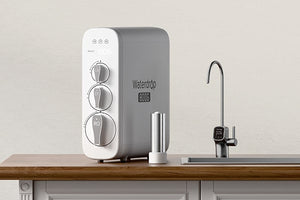
The Waterdrop X Series Reverse Osmosis System is a comprehensive water filtration system that can offer safe water to Canadians to drink, cook, brush their teeth, and rinse their noses.

The advantages of using Waterdrop water filters include:
- Multi-stage filtration that can remove over 1,000 water contaminants
- High water purification efficiency due to the use of an advanced RO membrane
- Tankless design that can save water and space
- NSF/ANSI certification that ensures safe water
- Easy installation and maintenance
Therefore, Canadians can enjoy safe water free from all types of waterborne pathogens and microorganisms by purchasing and using Waterdrop water filters. The water filters can provide safe water that is free from Naegleria fowleri and other waterborne pathogens.
Water Safety Tips
- Boil tap water before nasal rinsing
- Maintain chlorine concentration in swimming pools
- Do not swim in fresh water if you have nasal congestion or sinus infections
- Teach children safe swimming practices

Frequently Asked Questions (FAQs)
What is brain-eating amoeba?
Brain-eating amoeba, Naegleria fowleri, is a microorganism that occurs in warm water and can cause a rare but deadly brain infection when contaminated water enters the nasal passages.
How common are infections in Canada?
Infections are extremely rare in Canada, although it should be noted that, due to the seriousness of this disease, prevention remains important.
Can I get infected by drinking contaminated water?
No, you cannot get infected if you drink water that contains this amoeba, only if it enters your nasal passages.
How can I reduce my risk of infection while swimming?
You should avoid swimming in warm water during heat waves, keep your head above water, wear nose clips, and avoid stirring up water.
Is tap water safe for nasal rinsing?
You should only use boiled, distilled, or filtered water for nasal rinsing, as untreated water may contain microorganisms.
Does showering after swimming reduce my risk of infection?
Yes, it does, as it will wash away any microorganisms that may have entered your body.

How effective are water filtration methods such as reverse osmosis?
Reverse osmosis filters are very effective, as they can filter out this amoeba, as well as bacteria, viruses, and chemical contaminants.
Why should I choose Waterdrop reverse osmosis water filtration systems?
You should choose Waterdrop reverse osmosis water filtration systems because they have multi-stage water filtration, are water-efficient, and easy to use.
What should I do if I have been infected with this amoeba?
You should immediately seek medical attention if you have been infected with this amoeba, as it can cause a deadly brain infection.
Conclusion
In order to protect yourself from a deadly brain-eating amoeba infection, you should practice safe swimming habits, nasal protection, good hygiene, and clean household water. You should avoid high-risk exposure to freshwater, practice safe nasal rinsing, showering after swimming, and install a high-quality reverse osmosis system. All these steps give you excellent protection throughout the year.

Choose Your Water Solutions
- Countertop RO Systems No Installation, Easy Everyday Use
- Undersink RO Systems High Flow, More Space Under the Sink
- Water Filter for Sink Stay Hydrated Always
- RO System Replacement Filters Change Your Filters Regularly
Categories
- Buyer's Guide Complete buying guides to help you choose wisely
- Water Contaminants Offer the best solution to solve the water problems
- Water Stewardship Responsibility for sustainable water management
- Home and Wellness A better and healthier world for individuals and families
- Explore Waterdrop Discover water filtration solutions for every home.


