





Keeping Safe During a Canadian Winter Storm: A Family Guide
by
Dr. Jonathan Doyle - Updated February 02, 2026


Keeping Safe Water for Drinking
In the grip of a Canadian winter storm, access to safe water for drinking can be difficult. Power outages, frozen pipes, or storm damage can affect access to water for drinking. According to Health Canada , it is advisable to keep 4 liters of water per person per day for consumption and light cooking. This should be kept for at least three days. However, it is best to keep it for two weeks in case of an extreme winter storm.
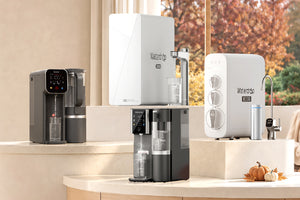
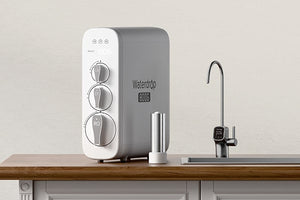
It is also possible that even when water is available for consumption, it may get contaminated by storm debris. This is where having your own water filtration system comes in handy. This system can filter water for your consumption and ensure that you have access to clean and potable water for your family.
Tips for Canadian Families:
- Store water in large containers or water barrels for extra emergency water.
- Keep your water filtration system well maintained. Check your water filter cartridges to ensure that they can filter water contaminated with debris from frozen pipes.
Having access to water for drinking is essential for your health and hygiene.

Power Outages and Heating Safety
In addition, winter storms in Canada may cause power outages, especially in northern Canada. This may cause homes with electric heaters to get very cold. According to Health Canada, prolonged exposure to cold temperatures may cause hypothermia, especially for infants, elderly persons, and those with chronic medical conditions.
Families must prepare alternative heating solutions:
Alternative heating solutions
- Fireplaces or wood stoves are excellent alternatives, but proper usage and ventilation must be maintained.
- Electric or propane space heaters are good alternatives, but proper distances must be maintained between the heater and the wall. They must never be left unattended.
- Wearing proper clothing and blankets is vital, especially for vulnerable family members.
Related article: Which water is best to drink in Canada?
Using generators safely
If families have generators, they must be used outdoors, maintaining proper distances from the door and windows. They must be equipped with working carbon monoxide detectors with fresh batteries.
Alternative power is vital for maintaining proper communication. Phones must be fully charged, and power banks must be available. It is recommended that families have a small solar charger or a hand-crank charger as a backup.

Food and Supplies for Winter Storms
Winter storms may cause families in Canada to be isolated in their homes for long periods. It is therefore vital that the right food and supplies are available. Some recommended food supplies include:
Food supplies
- Canned vegetables, beans, and soups
- Dry grains such as rice, pasta, or oats
- Nut butters, granola bars, and energy snacks
- Powdered or shelf-stable milk
Other essential supplies
- Manual can opener
- Indoor-safe cooking gear such as a camping stove or slow cooker
- Bottled water and water purification equipment
- Flashlights, batteries, and candles
Additional supplies for long-term winter storms
- Fuel for heating, such as wood, propane, or kerosene
- Wearing proper clothing and blankets
- Hygiene supplies such as soap, hand sanitizer, and toilet paper
Having the right food and supplies will allow families to stay indoors, thus avoiding the risk of traveling in harsh winter conditions.

Caring for Children and Pets
Children and pets are the most vulnerable during the storm. Families are advised to:
Children and babies
- Have extra blankets, clothing, hats, and gloves
- Have diapers, baby formula, and warm clothing for the baby
Pets
- Have extra food, water, and shelter for the pet
- Keep the pet indoors to avoid the freezing weather
- Change the water often to avoid freezing
By considering every member of the family, both human and pet, you are guaranteed to keep every member safe, healthy, and warm during the storm.
Click here to learn more about Where in Canada Has the Best Tap Water?
Emergency Communication
Communication is key during the storm. Families are advised to:
Communication tips
- Keep their phone charged and consider having alternative sources of power
- Have a list of emergency contact numbers, including shelters and relatives
- Have a designated meeting spot in case the family is evacuated
- Keep an eye on Environment Canada weather alerts
- Have a battery-powered or hand-crank radio as a backup
Communication is key to helping the family respond to the storm, panic less, and stay safe.

FAQ: Common Winter Storm Questions
Q1: How much water should I store per person in Canada?
A1: Have at least 4 liters of water per person per day, and store it for two weeks.
Q2: Should I use tap water during the storm?
A2: While tap water is safe to use, having a water filter or storing bottled water is recommended.
Q3: How do I prevent frozen pipes?
A3: Run dripping faucets, insulate exposed pipes, and maintain indoor temperatures above 13°C (55°F).
Q4: What are the safe heating options during a power outage?
A4: Fireplaces, wood stoves, and properly ventilated portable heaters are the best options. Avoid using outdoor equipment inside the home.
Q5: How do I take care of my pets during a severe cold snap?
A5: Keep your pets indoors if possible, feed them adequately, and prevent water from freezing.
Q6: How do I safely use my home water filter during a storm?
A6: Home water filters are a great way to ensure a steady supply of clean drinking water. Ensure your home water filters are clean and ready to use.
Q7: What food supplies should I stock up on if the storm is expected to last a few days?
A7: Stock up on non-perishable food items such as canned goods, grains, nut butters, snacks, and infant food supplies if needed.
Q8: How do I stay informed during a storm?
A8: Battery-powered or hand-crank radios are great options. Alternatively, you can also stay informed by using your cell phone with a back-up power source to receive Environment Canada alerts.
By preparing ahead of time, Canadian families can face the challenges of winter storms with confidence. A home water filtration system is a great way to provide your family with a steady supply of clean drinking water. Proper planning is essential to ensure the health and safety of your children, pets, and adults.
With the right preparations, Canadian families can face the challenges of winter storms head-on. Winter storms are tough, but with the right preparations, they are manageable. Canadian families who plan ahead stay safe, prepared, and ready for whatever the winter storms bring.

Choose Your Water Solutions
- Countertop RO Systems No Installation, Easy Everyday Use
- Undersink RO Systems High Flow, More Space Under the Sink
- Water Filter for Sink Stay Hydrated Always
- RO System Replacement Filters Change Your Filters Regularly
Categories
- Buyer's Guide Complete buying guides to help you choose wisely
- Water Contaminants Offer the best solution to solve the water problems
- Water Stewardship Responsibility for sustainable water management
- Home and Wellness A better and healthier world for individuals and families
- Explore Waterdrop Discover water filtration solutions for every home.


